crusader-kings-3 game sourced
Crusader Kings III
A character-driven grand strategy game in which the player rules as successive heads of a medieval dynasty from 867 or later to 1453, managing traits, stress, vassal opinion, marriages, and succession across a map of feudal titles.
parts
21 mechanics, as Crusader Kings III does themcore · 4
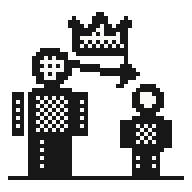
Dynasty succession
On death, play passes to the player heir and titles pass under the realm's succession law, so partition can split a realm among children; the game ends if no viable heir remains, and dynasty heads spend Renown on bonuses for every dynasty member.
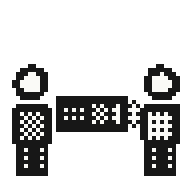
Opinion modifiers
Each character's opinion of another is an itemized list of modifiers from traits, relations, actions, and events, many expiring over time; discontented vassals join factions pressing for independence, a rival claimant, or less crown authority.
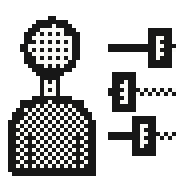
Personality traits
Personality, education, and genetic traits modify the six skills (Diplomacy, Martial, Stewardship, Intrigue, Learning, Prowess), opinions, and which event options a character can take.
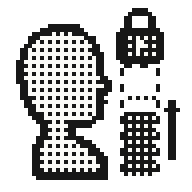
Stress accumulation
Acting against personality traits and suffering events add stress; crossing stress levels fires mental-break events whose coping options can add traits (from level 2 up), and extreme stress can kill the character.
supporting · 17
Agent skills
Skills grow from education and from perks in six lifestyles, each with three skill trees.

Causal breakdown tooltips
Nested tooltips let players open explanations of terms inside other tooltips.

Culture and religion conversion
Counties carry a faith and a culture; the court chaplain can convert a county's faith and the steward can promote the ruler's culture, while faith hostility sets opinion penalties from 0 to -30.

Faction diplomacy
Wars are fought over claims, and marriages and alliances link realms.
Lifecycle and aging

Modding API
Event, trigger, and effect scripts and game data files are moddable; total conversions replace the setting.

Pause and speed control
Political capital
Prestige and piety accrue from rank, traits, and deeds and are spent on actions such as creating titles (prestige) and faith decisions (piety).
Relationship values
Friends, rivals, and lovers form between characters and shift opinions and event outcomes.
Romance and family
Marriages create alliances and heirs, making match choice a political decision.

Stability and unrest
Vassal factions accumulate strength and can revolt when their demands are refused.
Statistical combat resolution
Battles resolve from army size, men-at-arms, knights, commander skill, and terrain, in phases that run until one side is routed.
Tech tree
Lifestyle perk trees and cultural innovations unlock abilities and buildings.
Territorial control
Counties belong to titles with de jure hierarchies, and wars are fought to press claims on them; conquered counties start with low county control.
Trait inheritance
Genetic traits such as strong or poor health pass to children.

Triggered event chains
Events are called from on_actions, decisions, and interactions, with weighted options and scheduled follow-ups.
War score and peace terms
War score from battles and occupation lets the attacker enforce the war goal at full score, while either side can offer white peace.
core loop
play the current ruler -> manage vassal opinion, council, and stress -> arrange marriages, schemes, and wars over claims -> ruler dies -> heir inherits titles under succession law -> realm fragments or consolidates
design notes
CK3 makes the player a character rather than a state: realm strength depends on vassals whose itemized opinions, traits, and family ties decide whether they serve or rebel. Succession laws make death the main source of disruption, and stress penalizes playing a character against type, which pushes players to roleplay their traits. Event content is authored but fired from on_actions and character state, so the same templates produce different stories in different courts; culture and religion conversion is not yet a mechanic in the taxonomy (proposal culture-religion-conversion).