offworld-trading-company game sourced
Offworld Trading Company
A real-time economic strategy game on Mars where companies claim resource tiles, refine goods for a shared market whose prices move with every trade, and win by buying out every rival's stock.
parts
12 mechanics, as Offworld Trading Company does themcore · 5

Equity and buyouts
Players buy shares in rival companies and win by holding a majority of every company; debt lowers stock price, and buying back one's own stock raises buyout cost.

Production chains
Steel mills, glass kilns, electronics factories, greenhouses, and hydrolysis reactors turn raw resources into higher-value goods and life support.

Resource extraction
Extractors on claimed hex tiles mine water, aluminum, iron, silicon, and carbon at rates set by tile richness.
Rival firms
Up to eight companies, AI or human, compete in one market and attack each other through black market sabotage such as nukes, EMPs, and mutinies.
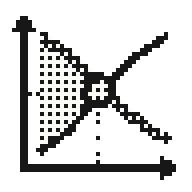
Supply-demand pricing
Each of 13 resources has a market price that falls when players sell and rises when they buy, with shortages and gluts driving rapid swings.
supporting · 7

Auctions
Some resource tiles and patents are sold by auction.
Building placement

Goods consumption
Each HQ consumes life support resources such as water, food, oxygen, and power, which must be produced or bought.

Loans and debt
Companies can run into debt, which depresses their share price.

Pause and speed control

Procedural terrain
Each match generates a new Martian map, so resource layouts and claims differ.

Tech tree
Patents and HQ upgrades unlock buildings and bonuses.
core loop
land an HQ -> claim tiles and build extractors -> refine resources into goods -> sell into a market whose prices move with each trade -> buy black market sabotage and stock -> buy out every rival
design notes
Soren Johnson replaced combat with a shared market: 13 resources trade at prices that move with every purchase and sale, so selling a large stockpile drives the price down and one player's bulk purchases create openings for others. Black market items such as nukes, EMPs, and mutinies act through the economy, and each purchase raises the price of the next one. Victory comes from equity: players buy shares in rivals until they hold a majority of every company, and buying back one's own shares makes a takeover more expensive. Johnson names M.U.L.E. and Railroad Tycoon as inspirations.