project-zomboid game sourced
Project Zomboid
An isometric zombie survival sandbox in which one survivor manages moodles, injuries, skills, and failing utilities across a large Kentucky map until an inevitable death.
parts
18 mechanics, as Project Zomboid does themcore · 4
Agent skills
Skills such as carpentry and cooking level from activities, and skill books and magazines speed or unlock progress.
Injury body model
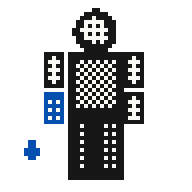
Wounds such as scratches, lacerations, bites, and fractures are tracked per body part with bleeding and bandaging; zombie infection is spread by saliva and blood and is always fatal.
Stimulus attraction
Zombies respond to sight and hearing, so noise from actions such as gunfire or breaking windows draws them toward the survivor, and hordes migrate.
Survival meters
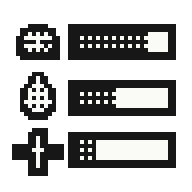
Moodles for hunger, thirst, fatigue, endurance, panic, stress, boredom, unhappiness, temperature, wetness, pain, bleeding, and sickness each grow in severity and penalize combat, movement, carrying, or healing.
supporting · 14

Building placement
Carpentry builds walls, barricades, and forts.

Crisis countdown
Water and power shut off within about a month, forcing preparation.
Crop cultivation

Day-night cycle
Fog of war
A vision cone limits what the survivor sees.

Hand crafting
Weapons, tools, and barricades are crafted; Build 42 overhauled crafting.

Modding API
Full Lua modding through the Steam Workshop.

Pause and speed control

Permadeath
Death ends the character; a new survivor can start in the same world.
Personality traits
Occupation and positive or negative traits are chosen at character creation; occupation also sets spawn location.

Seasons
A climate system with seasons changes gear needs.

Spoilage
Food rots, and refrigeration ends when power fails.
Vehicle dynamics
Vehicles have physics and part condition.

Weather
core loop
loot houses and stores -> avoid or fight zombies drawn by sight and noise -> manage hunger, fatigue, injuries, and moodles -> utilities fail and seasons turn -> barricade, farm, and level skills -> survive until death
design notes
The framing question is how the character dies, not whether: zombie infection is always fatal in an unmodified game, so play is about extending a doomed run. Water and power shut off within the first month, after which erosion and overgrowth spread, giving the sandbox a scheduled decline. Zombies respond to sight and hearing and hordes migrate, so noise from actions shapes risk; there is no mechanic id for noise attraction yet (proposal filed). The game has been in early access since a paid tech demo in May 2011, with Steam early access from November 2013 and Build 42 in open beta from December 2024.