workers-and-resources game sourced
Workers & Resources: Soviet Republic
A planned-economy city builder in which every building, commodity, and citizen moves through explicit logistics, from construction materials delivered by truck to exports at border customs for rubles or dollars.
parts
15 mechanics, as Workers & Resources: Soviet Republic does themcore · 3

Production chains
Over 30 commodities are extracted, processed, and stored in staffed plants.

Trade routes
Exports and imports pass through customs houses at Eastern (rubles) and Western (dollars) borders.

Vehicle routes and schedules
Trucks, trains, ships, and aircraft are assigned to depots and routes that move goods and workers between buildings.
supporting · 12
Building placement

Citizen satisfaction
Health and happiness decide whether citizens stay; low loyalty raises crime and lowers work efficiency.
Conveyor transport
Conveyors move ores and bulk goods between facilities.

Education and workforce
Optional complex education gates skilled jobs.

Fluid pipe networks
Liquids, water, and heating travel through pipes and tanks.

Goods consumption
Citizens need food, clothing, and alcohol from shops.

Pause and speed control
Public transit lines
Buses, trams, trains, subways, ships, and planes carry citizens.
Rail signaling
Rail signals and interchanges govern shared track.

Seasons
Optional seasons raise heating demand in winter.
Storage and buffers
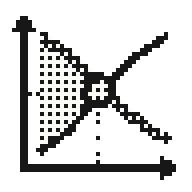
Supply-demand pricing
Flooding one market lowers returns there.
core loop
set up construction offices and deliver materials to sites -> extract and process over 30 commodities by truck, rail, conveyor, and pipe -> house citizens near jobs and transit -> supply food, clothing, heat, and services to keep health, happiness, and loyalty -> export at customs for rubles or dollars -> import what the republic lacks
design notes
Workers & Resources treats construction itself as logistics: buildings and roads need delivered concrete, steel, and prefab panels plus workers from the player's construction offices, or imported foreign labor at a cost, a system the taxonomy lacks (see run proposal). Over 30 commodities move by mode suited to their form (pipes and tanks for liquids, conveyors and trucks for ores, covered vehicles for goods), so freight network design is the main puzzle. Trade runs through East and West customs houses, flooding one bloc's market lowers returns, and heating demand rising in winter ties utilities to the calendar.