timberborn game sourced
Timberborn
A city builder for beaver colonies in which simulated water flows over terrain, recurring droughts and toxic badtides cut or poison it, and players dam, channel, and store water while building upward.
parts
13 mechanics, as Timberborn does themcore · 2

Crisis countdown
Recurring droughts switch sources off and badtides release contaminating badwater; both grow harsher over time and are signalled in advance.

Hydrology
Tiles exchange water through virtual pipes with evaporation; moisture spreads to nearby land and falls off sharply uphill; dams, levees, floodgates, and canals redirect flow.
supporting · 11

Building placement
Crop cultivation
Crops grow only on irrigated soil and fail when it dries.
Hauling jobs

Lifecycle and aging

Needs decay
Beavers need food, water, rest, and wellbeing from diet variety, entertainment, and decorations.

Pause and speed control

Power grid
Water wheels and other generators power workshops and bots through a connected network.

Signal circuits
Sensors, relays, and counters control dams and factories.
Storage and buffers
Water tanks and warehouses buffer droughts.
Terraforming
Explosives dig tunnels and reshape terrain.
Vertical layers
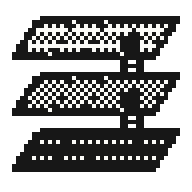
Lodges and workshops stack on platforms; ziplines and tubeways move beavers between levels.
core loop
dam and channel rivers -> irrigate farms and forests from stored water -> beavers work, eat, and seek wellbeing -> a drought or badtide cuts or poisons the flow -> stockpiles and reservoirs carry the colony through -> build upward and expand
design notes
Water is a simulated field rather than a resource count: a 2D model adapted from erosion simulation linked each tile to four neighbors by virtual pipes and was replaced by 3D water in Update 6 (October 2024), so dams, floodgates, and canals change where moisture reaches crops. Recurring droughts grow harsher and badtides turn sources into contaminating badwater, so play alternates between building reservoirs and surviving a known dry period. Limited space pushes housing and workshops into vertical stacks, and sensors and relays let players automate floodgates.