tamagotchi game sourced
Tamagotchi
A 1996 keychain virtual pet whose hunger, happiness, and training meters run on a real-time clock, and whose care quality determines which adult form it grows into and how long it lives.
parts
8 mechanics, as Tamagotchi does themcore · 4
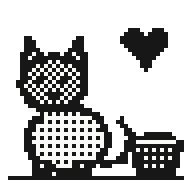
Creature care
Care actions are meal, snack, game, scold, clean, and medicine; meals are limited by fullness while snacks are not, and excess snacks cause sickness.
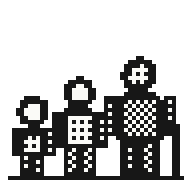
Lifecycle and aging
Baby, Child, Teenager, Adult, and Special stages (plus Senior in some models) each last a set number of days, with age advancing on waking; old age eventually ends its life.

Needs decay
Hunger and Happy meters, shown as hearts, deplete over real time and are refilled by meals, snacks, and the minigame.

Real-time clock
The pet lives on the device clock set at hatching and sleeps nightly; time keeps passing between check-ins.
supporting · 4

Alerts feed
The device beeps and shows an attention icon when the pet needs care or calls for discipline.
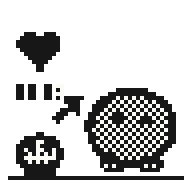
Care-dependent development
Care quality during each life stage, such as unanswered calls, overfeeding snacks, and uncleaned droppings, selects the next form, so the same egg can grow into different adult characters.

Day-night cycle
A nightly sleep period suspends care demands and marks age increments.

Permadeath
Poor care, sickness, or old age kills the pet; the A and C buttons start a new egg.
core loop
pet calls for attention -> feed a meal or snack, play, scold, clean, or give medicine -> meters and care history accumulate -> pet ages after each sleep -> care history selects its next form -> it lives on or dies
design notes
Aki Maita and Akihiro Yokoi reduced a pet to three meters (Hunger, Happy, Training) plus droppings and sickness on a three-button LCD device that runs continuously; early units could pause only through the clock settings. Meals fill Hunger, snacks and a minigame raise Happy but excess snacks cause illness, scolding when the pet calls for attention fills Training, and uncleaned droppings lead to sickness shown by a skull. Each life stage lasts a set number of days and age advances when the pet wakes, and care quality selects the adult character, turning care history into a visible outcome (proposed as care-dependent-development).