zelda-breath-of-the-wild game sourced
The Legend of Zelda: Breath of the Wild
An open-world action adventure whose physics and chemistry engines let fire, wind, electricity, temperature, and material properties combine, so puzzles and fights accept solutions the designers did not script.
parts
10 mechanics, as The Legend of Zelda: Breath of the Wild does themcore · 3
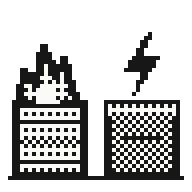
Material interactions
The chemistry engine gives objects properties such as flammable, metallic, or conductive; fire ignites wood and grass, metal attracts lightning in storms and conducts electricity, and ice melts near fire.

Rigid-body physics
A modified Havok engine moves crates, boulders, and weapons; Magnesis lifts metal objects, Stasis freezes an object so stored hits launch it, and Cryonis raises ice pillars from water, giving shrines and fights unscripted solutions.
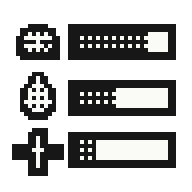
Survival meters
A stamina wheel limits sprinting, climbing, swimming, and gliding; hearts are health, and ambient cold and heat damage the player without matching clothing or elixirs.
supporting · 7

Day-night cycle
Time of day changes enemy and creature activity, and the Blood Moon respawns defeated enemies.
Direct avatar control
Link can climb almost any surface, glide, ride horses, and use runes.
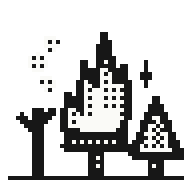
Fire spread
Fire spreads across grass in the wind direction and produces updrafts that the paraglider can ride.

Hand crafting
Cooking combines up to five ingredients in a pot into meals or elixirs whose effects and duration depend on the ingredients.
Heat transfer
Region temperature and fire sources set a temperature gauge that damages the player beyond tolerance.

Wear and breakdown
Weapons, bows, and shields lose durability with use and shatter; the Master Sword recharges instead.

Weather
Rain makes surfaces too slippery to climb, and thunderstorms strike metal equipment with lightning.
core loop
spot a landmark -> climb, glide, or ride toward it under stamina limits -> solve shrines and fights with physics and elemental interactions -> gather and cook ingredients -> replace broken weapons -> push farther into the world
design notes
The game is mostly authored content (map, shrines, story) and is included for its systemic layer. A modified Havok physics engine and a separate chemistry engine give objects material properties, so fire burns grass and creates updrafts, metal draws lightning and conducts electricity, wind carries flames and gliders, and cold or heat drains health unless countered by clothing or cooked food. Weapon durability and stamina force continual scavenging and route choice, and shrine puzzles accept any solution that satisfies the physical end condition.